
Warehouse Management in Manufacturing: Best Practices for Efficient Operations (2026)
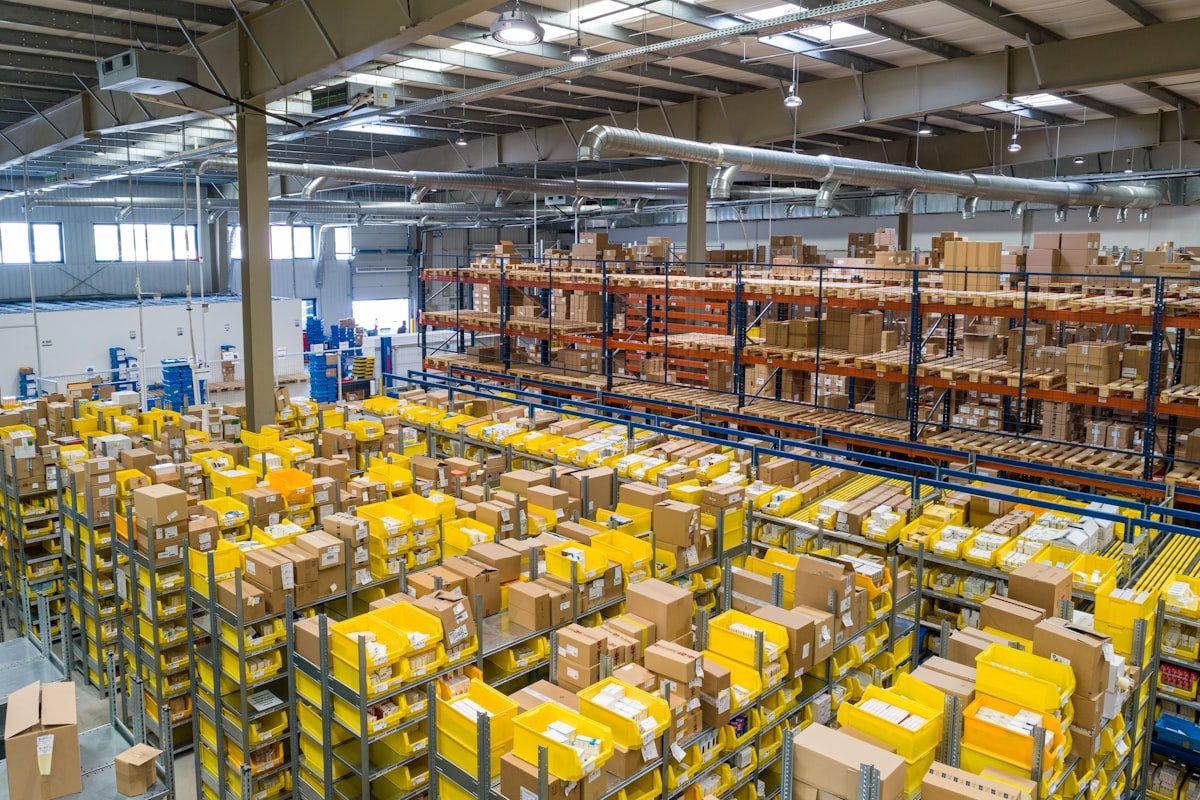
Warehouse Management in Manufacturing In modern industrial facilities, seamless logistics operations serve as the connective tissue between raw component suppliers and final customer delivery. Managing incoming materials, staging work-in-progress (WIP) parts, and storing finished products requires strict organization. Executing effective warehouse management in manufacturing ensures assembly lines receive parts on schedule while preventing costly floor congestion, stock discrepancies, and shipping delays.
Unlike basic retail storage facilities, factory warehouses operate under dynamic constraints tied directly to active production schedules, machine throughput, and customer shipment commitments. Mismanaging physical space or material tracking leads to extended cycle times and inflated handling expenses. In this complete guide, we explore the core stages, major challenges, essential best practices, and enterprise technologies driving high-efficiency factory warehouse operations.
Table of Contents
- What Is Warehouse Management in Manufacturing?
- Why Warehouse Management Matters
- The Core Warehouse Management Process
- Common Warehouse Challenges
- Best Practices for Factory Warehouses
- Essential Warehouse KPIs to Track
- How ERP & WMS Work Together
- Frequently Asked Questions
- Conclusion
What Is Warehouse Management in Manufacturing?
Warehouse Management in Manufacturing encompasses the administrative systems, physical procedures, and technology tools used to control and optimize material movement, stock storage, and order fulfillment within a manufacturing environment. It governs the handling of raw components, sub-assemblies, maintenance supplies (MRO), and finished goods across storage locations.
Unlike standalone commercial distribution hubs, factory logistics platforms are deeply integrated into active assembly schedules. They bridge procurement and production execution, ensuring raw materials move rapidly from receiving docks to work centers. Maintaining tight logistics alignment underpins reliable Production Planning in Manufacturing workflows.
Why Warehouse Management Matters
Warehouse Management in Manufacturing A poorly organized storage facility creates operational friction across the entire business. Missing components halt production lines, inaccurate stock records trigger duplicate purchase orders, and disorganized racking slows picking speed. Optimizing warehouse management in manufacturing provides strategic operational advantages:
- Continuous Line Operation: Guarantees assembly stations receive required parts on schedule, preventing paid worker downtime.
- Minimized Carrying Costs: Maximizes vertical storage space and eliminates excess buffer stock that locks up working capital.
- Superior Stock Accuracy: Maintains real-time visibility over inventory locations, preventing costly physical stockouts.
- Reduced Handling Waste: Streamlines picking routes to lower material damage, labor fatigue, and equipment wear. Effective spatial organization supports broader Manufacturing Cost Control programs.
The Core Warehouse Management Process
Warehouse Management in Manufacturing Managing raw inventory and finished items effectively relies on six interconnected operational steps:
1. Receiving
Receiving is the initial step of accepting incoming raw materials and sub-assemblies from vendors. Workers inspect delivery manifests, verify component counts, check material quality, and input items into software systems to record arrival.
2. Put-away
Warehouse Management in Manufacturing Put-away moves accepted goods from receiving docks to assigned storage bins, racks, or staging zones. Guided put-away software directs operators to optimal bin locations based on item weight, size, and consumption frequency.
3. Inventory Storage
Warehouse Management in Manufacturing Inventory storage arranges physical goods securely in dedicated storage racks, floor bins, or automated retrieval systems. Proper storage keeps parts protected against physical damage, moisture, and theft while maintaining clear location labeling.
4. Picking
Warehouse Management in Manufacturing Picking involves locating and retrieving specific raw parts or finished products to fulfill shop-floor work orders or customer shipments. Optimizing pick paths prevents unnecessary travel time across warehouse aisles.
5. Packing
Packing consolidates picked items, verifies quantity accuracy against order lists, and packages components securely with protective cushioning, shipping labels, and documentation.
6. Shipping
Shipping is the final step, loading packaged orders onto transport vehicles, updating enterprise inventory balances, and issuing carrier tracking notifications to customers.
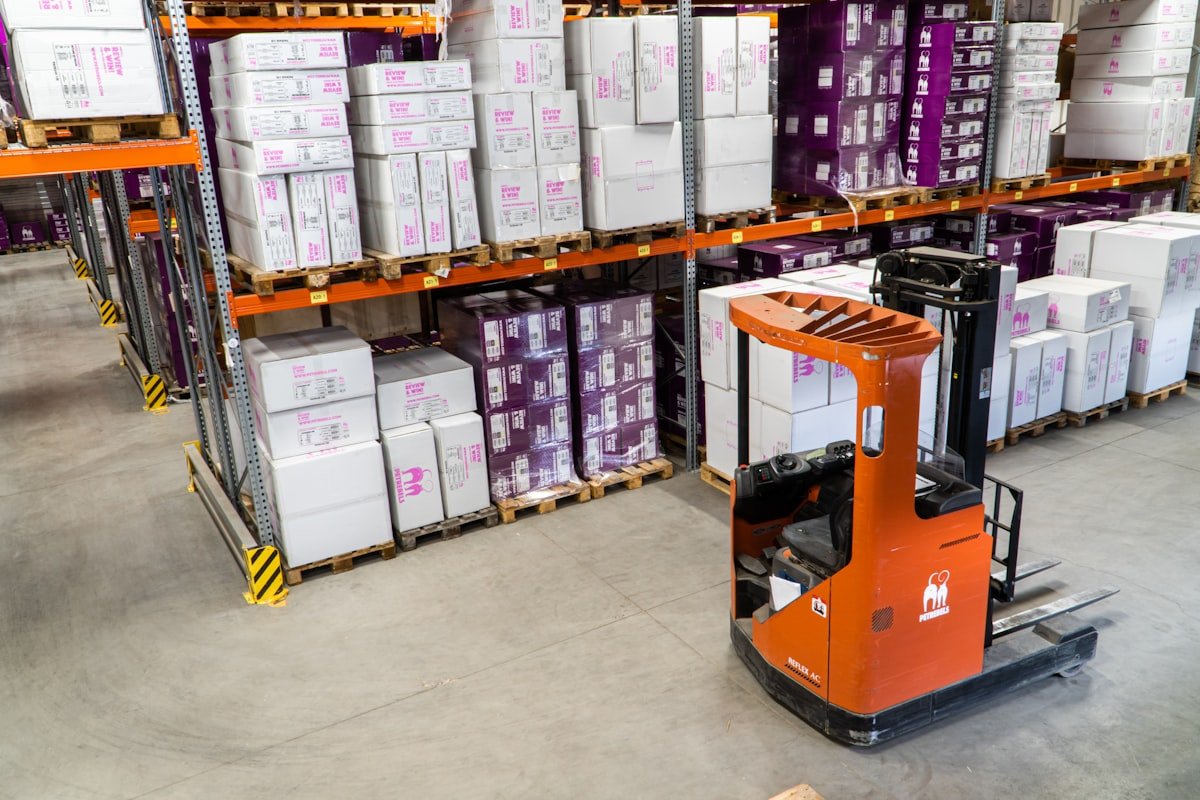
Common Warehouse Challenges
Managing fast-moving industrial storage networks introduces significant operational challenges:
Inventory Inaccuracy
Discrepancies between digital system logs and actual physical stock lead to unexpected component shortages, assembly halts, and delayed customer order fulfillments.
Poor Space Utilization
Cluttered floor storage and underutilized vertical rack space constrain capacity, force expensive off-site rentals, and create safety hazards for equipment operators.
Slow Picking Process
Inconsistent bin labeling, unoptimized travel routes, and reliance on paper pick lists waste valuable labor hours and cause bottlenecked order staging.
Labor Shortages
High warehouse turnover and difficulty hiring experienced material handlers put pressure on remaining staff, leading to fatigue and increased data entry errors.
Poor Warehouse Visibility
Isolated legacy tracking systems prevent management from tracking item movements between storage aisles, WIP buffer locations, and final packing stations.
Best Practices for Factory Warehouses
Implementing structured industry standards transforms storage facilities into high-efficiency logistics hubs:
Warehouse Layout Optimization
Design logical floor plans that minimize travel distance between receiving docks, high-velocity storage zones, assembly lines, and outbound shipping bays. Group frequently used items (Category A items) near packing stations.
Implement Barcode & RFID Systems
Replace paper logs with digital scanning tools. Barcodes and Radio Frequency Identification (RFID) tags track material receipts, location transfers, and assembly issues automatically, drastically boosting data accuracy.
Adopt Warehouse Automation
Integrate automated material handling equipment like Automated Guided Vehicles (AGVs), conveyor networks, and Automated Storage and Retrieval Systems (ASRS) to handle repetitive inventory transfers safely.
Perform Regular Cycle Counting
Replace disruptive annual physical inventory shutdowns with continuous cycle counting. Regularly auditing small subsets of stock maintains consistent record accuracy year-round without pausing factory operations.
Enforce FIFO Principles
Apply First-In, First-Out (FIFO) physical movement rules to ensure older component batches are consumed first, preventing inventory degradation and part obsolescence. To learn more about structuring stock policies, consult our guide on Manufacturing Inventory Management.
Invest in Employee Training
Train logistics staff regularly on material handling safety, equipment operation, and digital scanning workflows to maintain operational consistency and reduce workplace injuries.

Essential Warehouse KPIs to Track
Evaluating storage operational efficiency requires monitoring core quantitative metrics. Integrating these metrics into your broader Manufacturing KPIs dashboard gives leadership clear performance visibility:
- Inventory Accuracy: Percentage match between logged system inventory records and physical stock audits (Target: >99%).
- Order Picking Accuracy: Percentage of orders picked correctly without error or wrong component selection.
- Inventory Turnover: How frequently a factory sells and replaces its inventory stock over a reporting period.
- Order Cycle Time: The total time required from order release to final packaging and carrier handover.
- Warehouse Capacity Utilization: Percentage of total available storage volume actively utilized by physical goods.
How ERP & WMS Work Together
Operating warehouse logistics separately from corporate accounting and assembly scheduling limits growth. Connecting a dedicated Warehouse Management System (WMS) with an enterprise platform ensures seamless real-time data flow across departments.
While an Enterprise Resource Planning (ERP) platform handles high-level purchasing, financials, and sales orders, a WMS manages detailed floor execution, including bin allocations, pick paths, and worker assignments. To understand digital architecture models, explore our guide on What Is Manufacturing ERP?. Additionally, evaluating systems such as Oracle Manufacturing and Microsoft Dynamics 365 Supply Chain helps industrial businesses streamline multi-site warehouse networks.
Connecting WMS and ERP engines ensures that when a worker scans raw components into an assembly station, purchasing teams receive immediate visibility to reorder inventory automatically. Global standards from ASCM (Association for Supply Chain Management) offer valuable frameworks for structuring these integrated supply chains.
Frequently Asked Questions
What is warehouse management in manufacturing?
Warehouse management in manufacturing is the system of controlling material movement, storage layout, put-away, picking, and shipping within a factory. It ensures raw components and finished goods flow seamlessly between suppliers, production lines, and end customers.
How does warehouse management differ from inventory management?
Inventory management focuses on broader stock levels, financial valuation, demand forecasting, and purchasing cycles. Warehouse management focuses on the physical execution within the facility—such as bin location tracking, picking routes, and space utilization.
What are the benefits of integrating a WMS with an ERP system?
Integrating WMS and ERP platforms eliminates manual data entry delays, automates material replenishment orders, improves stock accuracy, accelerates order fulfillment, and gives leadership full operational visibility across facilities.
What is cycle counting in a manufacturing warehouse?
Cycle counting is an inventory auditing method where small subsets of warehouse stock are counted continuously on a scheduled basis. This eliminates the need to halt factory operations for annual physical counts while maintaining high record accuracy.
What key metrics evaluate warehouse performance?
Key performance indicators include Inventory Accuracy, Order Picking Accuracy, Inventory Turnover, Order Cycle Time, and Warehouse Capacity Utilization.
Conclusion
Optimizing warehouse management in manufacturing is essential for factories aiming to cut operational expenses, accelerate order throughput, and keep assembly lines running smoothly. By applying structured practices—such as layout optimization, digital barcode tracking, cycle counting, and automated picking routes—manufacturers can eliminate handling waste and maintain accurate stock records.
Connecting specialized warehouse management workflows with modern ERP platforms turns logistics operations into a distinct competitive advantage. Establishing an efficient, data-driven warehouse system ensures your facility adapts flexibly to shifting supply chain demands.
