Top 10 Benefits of ERP in Manufacturing (2026 Guide)
Benefits of ERP in Manufacturing The manufacturing industry in 2026 is moving faster than ever before. Driven by volatile raw material costs, shifting global supply chains, and rising customer demand for hyper-personalized products, industrial facilities can no longer rely on fragmented legacy systems or manual spreadsheets. To stay profitable and competitive, factory leaders are accelerating their digital transformation strategies.
Benefits of ERP in Manufacturing At the center of this industrial modernization sits Enterprise Resource Planning (ERP) software. A manufacturing ERP system serves as the operational backbone of a plant, connecting shop floor activities with back-office management. In this comprehensive 2026 guide, we explore the top 10 benefits of implementing an ERP system in a modern manufacturing environment.
What Is Manufacturing ERP?
Benefits of ERP in Manufacturing Manufacturing ERP is an enterprise-grade management software platform specifically designed to integrate, automate, and centralize every core business function inside a production environment. Unlike generic accounting software, a manufacturing-specific ERP contains specialized operational tools—such as a Material Requirements Planning (MRP) engine, Bill of Materials (BOM) management, capacity scheduling, and shop floor routing.
By replacing isolated software silos with a single unified database, a manufacturing ERP provides real-time visibility across procurement, inventory management, production scheduling, quality control, customer relationship management (CRM), and financial accounting.
Why Manufacturers Need ERP
Benefits of ERP in Manufacturing Operating a modern factory floor without a centralized system creates massive operational friction. When inventory counts live in one spreadsheet, customer sales orders in an isolated CRM, and job costing in legacy accounting software, communication barriers inevitably collapse productivity.
According to research from the Association for Supply Chain Management (ASCM), manufacturers without centralized data integrations suffer from higher stockout rates, delayed production cycles, and inaccurate job cost calculations. A manufacturing ERP solves these systemic issues by establishing a “single source of truth” across the enterprise, allowing companies to respond dynamically to sudden market changes.
Top 10 Benefits of ERP in Manufacturing
1. Better Inventory Management
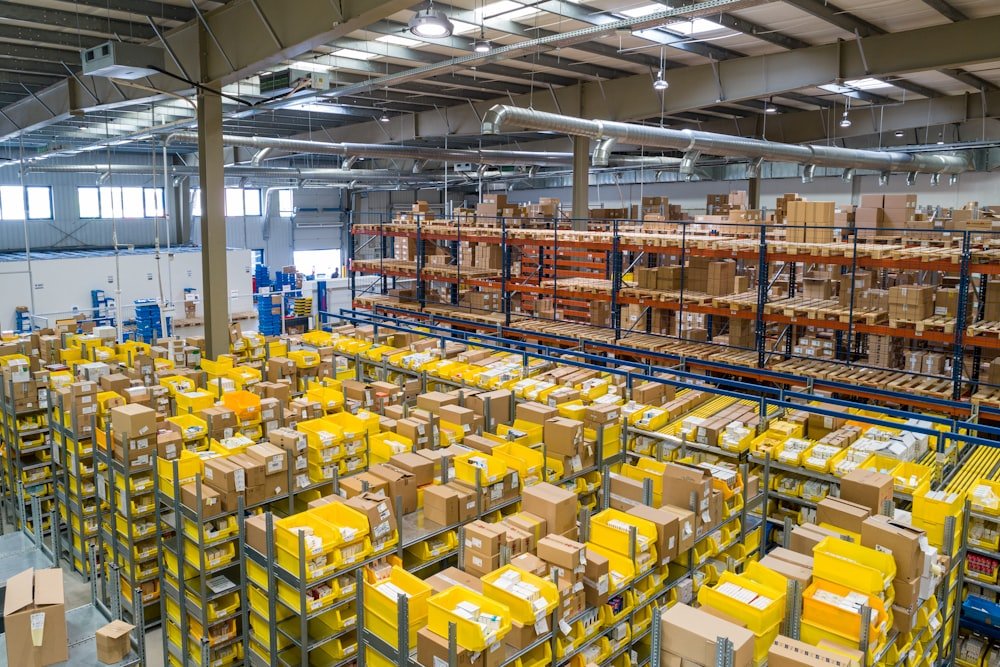
Benefits of ERP in Manufacturing Holding excess raw materials ties up valuable working capital, while stockouts bring entire assembly lines to an expensive halt. A manufacturing ERP tracks raw components, Work-in-Progress (WIP), and finished goods in real time across multiple warehouses using barcode scanning and lot/serial tracking. Automated reorder points ensure safety stock levels remain optimal without overstocking.
2. Improved Production Planning
Integrated Material Requirements Planning (MRP) engines evaluate current sales orders, historical forecasts, and machine capacities simultaneously. The ERP automatically parses multi-level Bills of Materials (BOMs) to generate accurate master production schedules, ensuring machines and assembly teams are utilized at maximum efficiency.
3. Real-Time Business Visibility
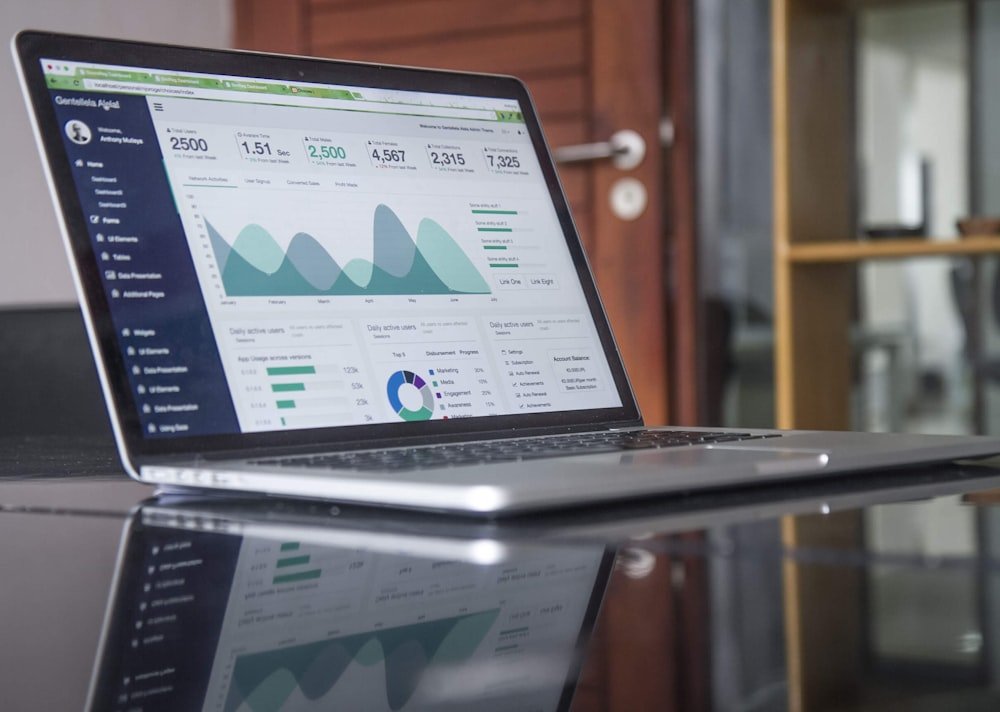
With an ERP system, executives and floor managers no longer wait for weekly or monthly reports to understand plant performance. Live interactive dashboards display critical Key Performance Indicators (KPIs)—such as Overall Equipment Effectiveness (OEE), scrap rates, and current job margins—allowing teams to address bottlenecks instantly.
4. Reduced Operating Costs
By automating repetitive administrative tasks, optimizing raw material procurement, and eliminating material scrap, an ERP dramatically cuts overhead costs. Furthermore, real-time job costing features track direct material usage and labor hours per work order, revealing exact profit margins and identifying unprofitable product lines.
5. Better Supply Chain Management
Modern Cloud ERP systems extend beyond the factory walls to connect directly with suppliers and transport vendors. Automated Purchase Orders (POs) trigger automatically when inventory thresholds drop, while supplier scorecards track lead-time accuracy and pricing compliance to build a resilient supply chain network.
6. Improved Quality Control
Benefits of ERP in Manufacturing Maintaining high product quality is essential for customer retention. Manufacturing ERPs enforce mandatory quality assurance (QA) inspection checkpoints at multiple stages: upon raw material receipt, mid-assembly routing, and final packaging. Built-in lot traceability ensures that if a defect occurs, manufacturers can trace the component batch origin immediately.
7. Faster Decision Making
Business analysts at Gartner Research emphasize that real-time data access is the primary differentiator for agile industrial leaders. Having centralized financial, sales, and production data inside an ERP empowers leadership to make informed, data-driven operational decisions in minutes rather than days.
8. Increased Employee Productivity
Manual data entry is prone to human error and consumes hundreds of labor hours annually. An ERP automates routine workflows—such as generating shipping labels, issuing customer invoices, and logging work center shift hours—allowing shop floor operators and administrative staff to focus on higher-value tasks.
9. Better Customer Satisfaction
Consistently meeting customer delivery dates requires synchronization between sales, inventory, and production. An ERP system updates delivery schedules dynamically based on real-time shop floor progress, allowing sales representatives to provide accurate lead-time estimates and automated shipping notifications to clients.
10. Scalable Business Growth
As manufacturing businesses expand—adding new factory floors, introducing complex custom product lines, or entering international markets—legacy software quickly breaks down. Modern Cloud ERP platforms scale seamlessly, enabling manufacturers to add new users, warehouse locations, and advanced business modules without interrupting daily operations.
Summary: Manufacturing Before vs. After ERP
| Operational Area | Before ERP Implementation | After ERP Implementation |
|---|---|---|
| Data Access | Isolated spreadsheets & paper job travelers. | Centralized, real-time database across departments. |
| Inventory Control | Frequent stockouts and excess holding costs. | Automated reorder triggers and live barcode tracking. |
| Job Costing | Inaccurate estimates based on historical guesses. | Precise, real-time job costing per work order. |
| Quality Audits | Slow paper trail search during product recalls. | Instant forward & backward lot/serial traceability. |
Common Challenges During ERP Adoption
Benefits of ERP in Manufacturing While the benefits of an ERP system are substantial, the transition process requires deliberate planning. Manufacturers frequently encounter these common implementation hurdles:
- Employee Resistance to Change: Floor operators accustomed to paper logs may resist adopting new digital interfaces. Comprehensive change management and role-specific training are critical to ensure adoption.
- Poor Data Quality: Migrating uncleaned, duplicate, or inaccurate inventory records into a new ERP will only automate confusion. Data cleansing must occur prior to system migration.
- Over-Customization: Heavily modifying standard ERP code increases deployment costs and complicates future software updates. Manufacturers should aim to adopt industry best practices native to the platform.
For technical guidance on implementing digital transformation frameworks, consult resources provided by the NIST Manufacturing Extension Partnership (MEP).
How to Maximize ERP ROI
To maximize your return on investment (ROI) after deploying a manufacturing ERP, consider these strategic best practices:
- Define Clear Operational KPIs: Establish specific baseline targets—such as cutting cycle times by 10% or improving on-time deliveries to 98%—to measure post-launch success.
- Empower Internal Super-Users: Select department champions from production, warehouse, and accounting to lead peer training and drive long-term software adoption.
- Integrate Industrial IoT (IIoT) Sensors: Connect shop floor machinery directly to your ERP via APIs or IoT gateways to automate real-time machine uptime tracking and predictive maintenance alerts.
Frequently Asked Questions
1. How long does it take to implement a manufacturing ERP?
Implementation timelines vary based on business size and complexity. Small-to-mid-sized manufacturers typically complete implementation in 4 to 8 months, while large enterprise operations may require 12 to 18 months.
2. What is the average cost of an ERP for a manufacturing plant?
Costs depend on deployment model (Cloud SaaS subscription vs. On-Premise licensing), user count, and module complexity. Cloud ERP subscriptions generally range from $100 to $250 per user/month, making upfront costs significantly lower than legacy hardware installations.
3. What is the difference between ERP and MRP?
Benefits of ERP in Manufacturing MRP (Material Requirements Planning) focuses strictly on physical production planning, BOMs, and raw material inventory. ERP (Enterprise Resource Planning) is a broader enterprise suite that includes MRP functionality alongside accounting, HR, CRM, sales, and supply chain management.
4. Can small manufacturing job shops benefit from an ERP?
Yes. Modern Cloud ERP systems offer lightweight, modular packages tailored specifically for small job shops. These platforms help small manufacturers streamline quoting, automate job scheduling, and eliminate manual inventory errors without enterprise-level complexity.
Conclusion
Benefits of ERP in Manufacturing Implementing a modern manufacturing ERP system is no longer just an administrative upgrade—it is a critical strategic investment for long-term competitiveness. By unifying shop floor scheduling, inventory management, quality control, and financial reporting into a cohesive platform, manufacturers eliminate operational waste, improve margins, and establish a flexible foundation built for scalable growth in 2026 and beyond.
