
Introduction
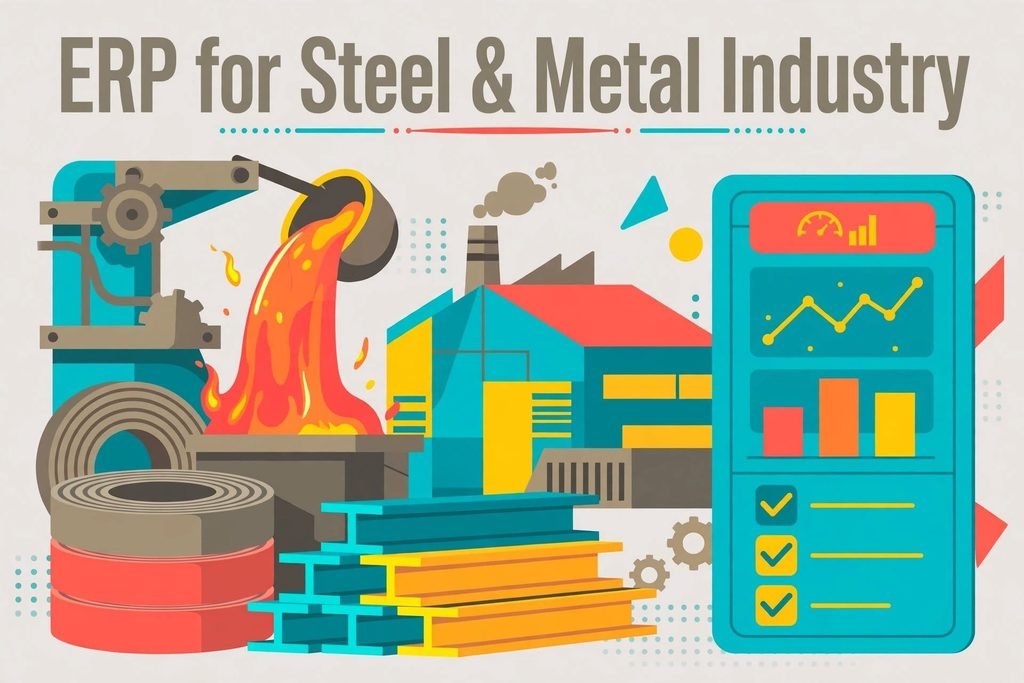
Mastering the Metal Maze Running a steel or metal business is a high-stakes, heavy-duty enterprise. Whether you operate a structural steel fabrication shop, a metal service center, a specialized aluminum distributor, or a heavy manufacturing plant, you are juggling raw materials, complex production schedules, fluctuating stock levels, custom orders, and precise costing—every single day. 🏭
Mastering the Metal Maze Unlike standard retail or light manufacturing, the metal industry comes with unique operational hurdles. Raw material prices swing wildly on global markets, heavy inventory takes up massive physical space and requires specialized handling, and quoting custom cuts or fabrication jobs demands absolute accuracy. One miscalculated dimension or delayed shipment can erase profit margins instantly.
This comprehensive guide explores the core operational pillars of running a successful metal Mastering the Metal Maze business, common pain points, and actionable strategies to optimize your workflow, cut waste, and maximize profitability.
The 5 Core Pillars of a Metal Business
To keep a steel or metal operation running smoothly, business owners and plant managers must master five interconnected domains:
1. Raw Material Management and Sourcing
Steel and metal processing begins long before the first cut is made. Sourcing quality raw Mastering the Metal Maze materials—such as hot-rolled coils, structural beams, stainless steel sheets, aluminum tubing, or alloy bars—requires balancing supplier lead times, mill minimum order quantities (MOQs), and fluctuating spot prices.
- The Challenge: Global supply chain disruptions and tariff changes can cause sudden Mastering the Metal Maze price spikes or material shortages.
- The Solution: Diversify your supplier base, maintain strategic buffer stock for high-demand grades, and leverage long-term contracts to hedge against extreme price volatility.
2. Production Planning and Shop Floor Efficiency
Turning raw stock into finished components involves heavy machinery like laser cutters, Mastering the Metal Maze plasma tables, press brakes, saws, and welding bays.
- The Challenge: Bottlenecks frequently occur when machine maintenance is reactive rather Mastering the Metal Maze than preventive, or when Mastering the Metal Maze work orders are poorly sequenced.
- The Solution: Implement lean manufacturing principles, utilize digital shop floor Mastering the Metal Maze scheduling tools, and establish strict preventive maintenance routines to keep mission-critical heavy machinery operational.
3. Inventory and Stock Control (Beyond Just Counting)
In the metal industry, inventory management is uniquely complex. You aren’t just tracking items on a shelf; you are managing heavy plate, long bars, and coils that are constantly being cut, sheared, or processed into drop-offs (remnants).
- The Challenge: Losing track of usable remnant stock leads to excessive scrap waste and unnecessary purchasing.
- The Solution: Implement advanced barcode or RFID tracking for plate and bar coding, and utilize scrap-optimization software to ensure drops are prioritized for smaller jobs before cutting into fresh stock.
4. Custom Orders and Accurate Quoting
Customers in construction, automotive, aerospace, and general engineering often demand custom fabrication with tight tolerances and rapid turnaround times.
- The Challenge: Underestimating material waste, labor hours, or machine setup time during the quoting phase can turn a high-revenue contract into a loss-maker.
- The Solution: Use parametric quoting tools linked directly to real-time material pricing and historical labor data to ensure every bid covers overhead, material, labor, and profit margins.
5. Precision Costing and Profitability Tracking
Job costing in metal processing is notoriously intricate. You have to factor in material grade, weight calculations, drop loss, machine run-time, consumable gases, labor, surface treatment (galvanizing, powder coating), and freight.
- The Challenge: Relying on blanket markup percentages rather than exact job-level costing hides where money is being lost.
- The Solution: Adopt enterprise resource planning (ERP) or specialized metal-industry software that tracks actual hours and material usage per work order.
Common Pitfalls in Steel and Metal Operations
Even seasoned operators can fall victim to operational traps that quietly drain profitability. Recognizing these pitfalls is the first step toward fixing them:
- Ignoring the “Hidden Cost” of Remnants: Piling up metal scraps in a dark corner of the warehouse without logging sizes means your team will cut new stock for jobs that could have utilized drops.
- Siloed Departments: When sales, purchasing, and production teams operate without shared visibility, sales accepts rush orders for materials that purchasing hasn’t secured yet.
- Manual Data Entry Errors: Relying on paper spreadsheets for mill test reports (MTRs), weight conversions, and dimensional specifications opens the door to costly manufacturing errors.
Best Practices to Modernize Your Metal Business
To stay competitive in an increasingly digital and demanding market, progressive metal businesses are adopting modern operational strategies:
- Digitize Mill Test Reports (MTRs) and Traceability: Quality assurance is paramount in metalwork. Ensure your inventory system instantly links physical stock to digital MTRs for complete material traceability from mill to final customer delivery.
- Embrace Automation on the Floor: Integrate CAD/CAM software directly with CNC cutting machinery to minimize programming time and reduce human error.
- Train and Retain Skilled Labor: With an ongoing skills gap in welding, machining, and heavy equipment operation, investing in continuous training and maintaining a safe shop floor culture is vital.
Conclusion
Running a steel or metal business is undoubtedly demanding, requiring constant vigilance across materials, production, inventory, orders, and costing. However, by replacing guesswork with data-driven systems, optimizing remnant usage, and streamlining shop floor workflows, you can transform daily chaos into a well-oiled, highly profitable operation.
Whether you are cutting your first plate of the morning or reviewing end-of-day cost reports, mastering these fundamentals ensures your metal business stands as strong and resilient as the materials you process.
