
US strikes against Iran nuclear agreement In a major foreign policy declaration, United States President Donald Trump has outlined a flexible dual-track strategy regarding the Islamic Republic of Iran. Speaking to reporters and international media, Trump explicitly stated that the United States remains fully prepared to launch new military strikes against Iranian targets if necessary, while simultaneously expressing an openness to negotiating a comprehensive agreement to address Tehran’s nuclear program. By declaring that both aggressive military options and diplomatic pathways remain active, the administration has signaled a classic posture of leverage-driven statecraft.
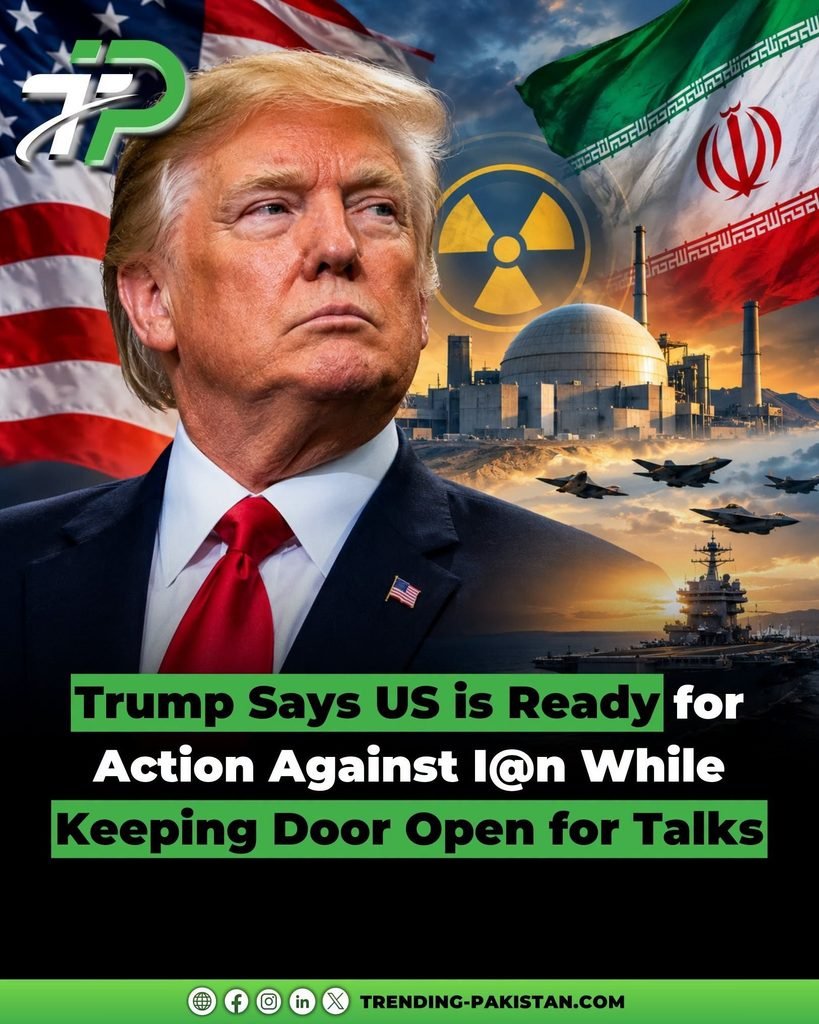
This dual-track stance comes at a critical juncture in Middle Eastern geopolitics. US strikes against Iran nuclear agreement Tensions across regional maritime corridors, ongoing proxy friction, and advancing uranium enrichment capabilities have kept the threat of broader regional conflict high. By combining high-stakes deterrence with diplomatic incentives, the United States aims to pressure Iranian leadership into strategic concessions while reassuring international allies of Washington’s readiness to protect global security interests.
The Core Declaration: Pressure Combined With Diplomatic Openings
The core message from President Trump emphasizes US strikes against Iran nuclear agreement that Washington will not limit itself to a single tactical trajectory. The willingness to leverage military deterrence alongside diplomatic engagement forms the bedrock of the administration’s strategic posture toward Tehran.
Key highlights of the announcement include:
- Military Readiness: The United States maintains full operational US strikes against Iran nuclear agreement capability to launch targeted strikes against Iranian infrastructure or military assets should red lines be crossed.
- Diplomatic Pathways: Washington remains willing to enter direct or mediated negotiations to US strikes US strikes against Iran nuclear agreement against Iran nuclear agreement achieve a long-term, verifiable deal on Iran’s nuclear capabilities.
- Economic Sanctions Pressure: Comprehensive economic sanctions remain fully US strikes against Iran nuclear agreement enforced to US strikes against Iran nuclear agreement maximize operational leverage prior to any formal talks.
- Regional Deterrence: Forward-deployed forces across the U.S. Central Command (CENTCOM) area of responsibility stand ready to counter regional threats.
Historical Context: Evolution of US-Iran Policy
To understand the implications of keeping both military action and diplomatic negotiations on the table, one must review the turbulent recent history of bilateral relations between Washington and Tehran. Decades of economic friction, covert operations, and diplomatic impasses have shaped modern strategic dynamics.
| Era / Milestone | Policy Approach | Strategic Outcome |
|---|---|---|
| 2015 JCPOA Accord | Multilateral diplomacy focused on nuclear limits in exchange for sanctions relief. | Temporary freeze on enrichment, though criticized by opponents for excluding ballistic missile scope. |
| Maximum Pressure Campaign | US withdrawal from JCPOA, reimposition of primary and secondary sanctions, targeted strikes. | Severe contraction of the Iranian domestic economy alongside accelerated nuclear technological advancement. |
| Dual-Track Posture (Current) | Simultaneous threat of new military strikes paired with explicit offers for a negotiated nuclear deal. | High-stakes posture designed to force a diplomatic breakthrough while maintaining operational readiness. |
The Deterrence Track: Assessing Potential Military Options
The military aspect of the dual-track posture involves continuous operational readiness across ground, air, naval, and cyber domains. Defense analysts emphasize that keeping targeted
